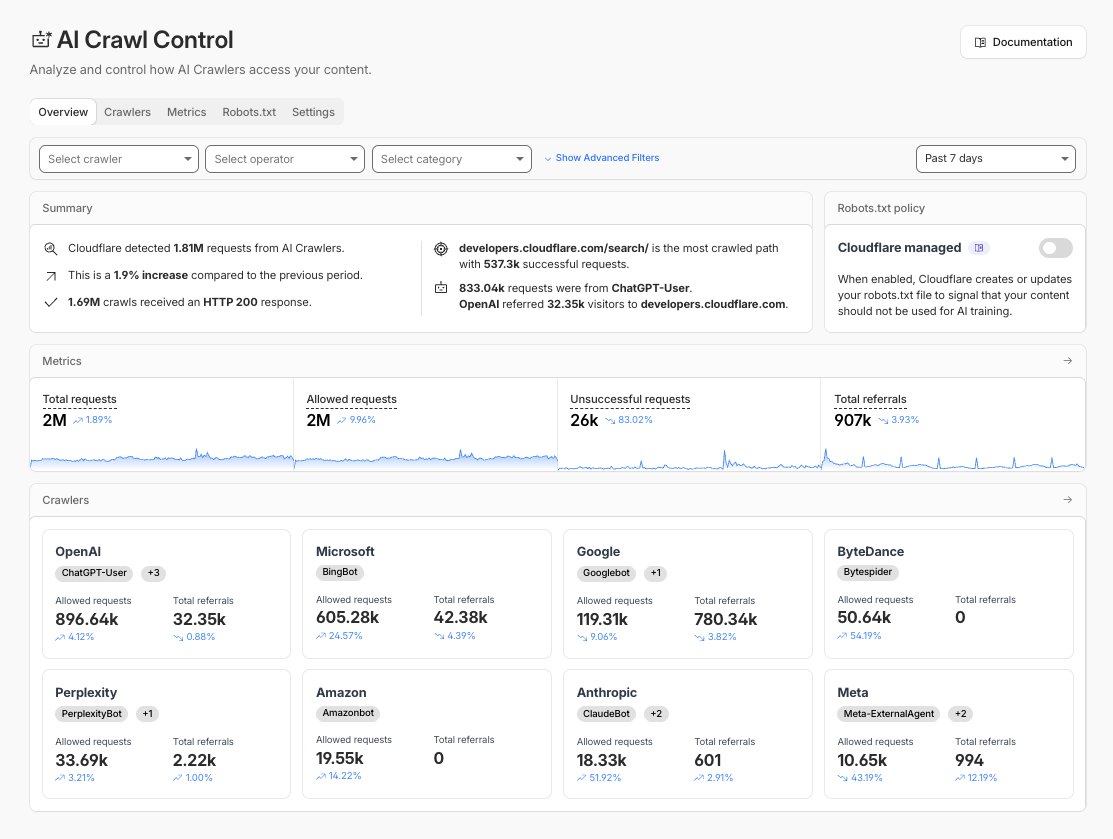
AI traffic is not only ChatGPT in a browser. Crawlers from OpenAI, Google, Anthropic, ByteDance and Perplexity visit documentation, the blog and product cards in millions of requests. Cloudflare shows the operator, the path and whether the request got a 200. From there the decision: allow, block, or tighten robots.txt.
Crawlers and what people paste
The second vector is internal. An employee pastes a database dump, an API key or a contract into a model. An edge firewall will not help here. You need a list of tools, controls on mail and endpoints, secrets kept out of chat, and a clear ban on customer data in public models.
A product assistant and a fake invoice
The third vector is your own assistant next to the product. Prompt injection and context leakage from the store. The model gets only what the user is allowed to see. The question and answer log goes to the SIEM, with retention for audit.
The fourth is social engineering: an invoice and a “from the board” voice generated by a model. Transfer verification stays in the process, not in intuition. Scope of work: crawler policy at the edge, control of shadow AI, a hard data boundary in the assistant, a procedure for a fake counterparty. Edge and data protection: data security.
In short: store content can be kept out of training. A secret pasted into chat has already left. A transfer process does not rest on whether the voice sounds familiar.