Services / Data security
Information protectionData has a class, a key, and a recovery path
Classification says what to protect more strongly. Encryption and KMS keep the key outside the application. Dual-path backup gives recovery. Wazuh watches who reads a dataset and whether a file changed. GDPR has retention and an audit trail, not only a document.
How it fits together
Protection, copy, and audit trail on one backlog
Encryption without a copy does not save you from ransomware. A copy without classification carries too much. We put platform, backup, access detection, and report into one scope.
- Data classification sets what goes to path B and what the retention is.
- A restore test is a calendar entry, with a report for you and for audit.
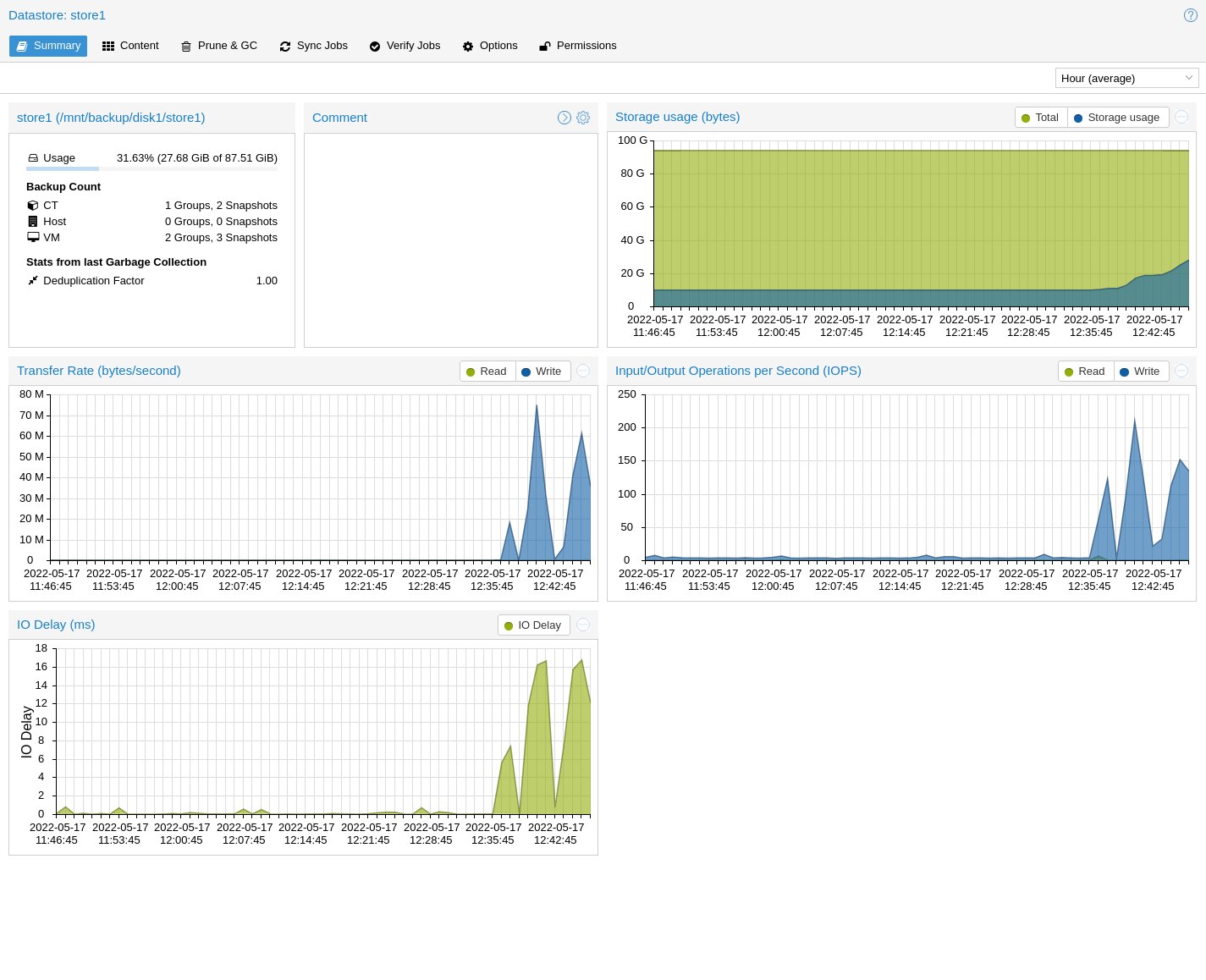
Two copy paths, separate accounts
Proxmox Backup Server or an equivalent path close to production, and a second path outside the site. Object lock, a separate key, a restore test. One cloud account is not a whole strategy.
Tor A
Close, short RTO
Snapshot and copy in the same location. Restore of system and application in a known time.
Tor B
Far, separate identity
A second provider or tenant. A different key, a different network. This path does not use production accounts.
Scope
Databases, volumes, files, mail where it is a service, IaC configuration.
Retention
Aligned with GDPR and the contract. Shortening retention is an alert, not a silent cron change.
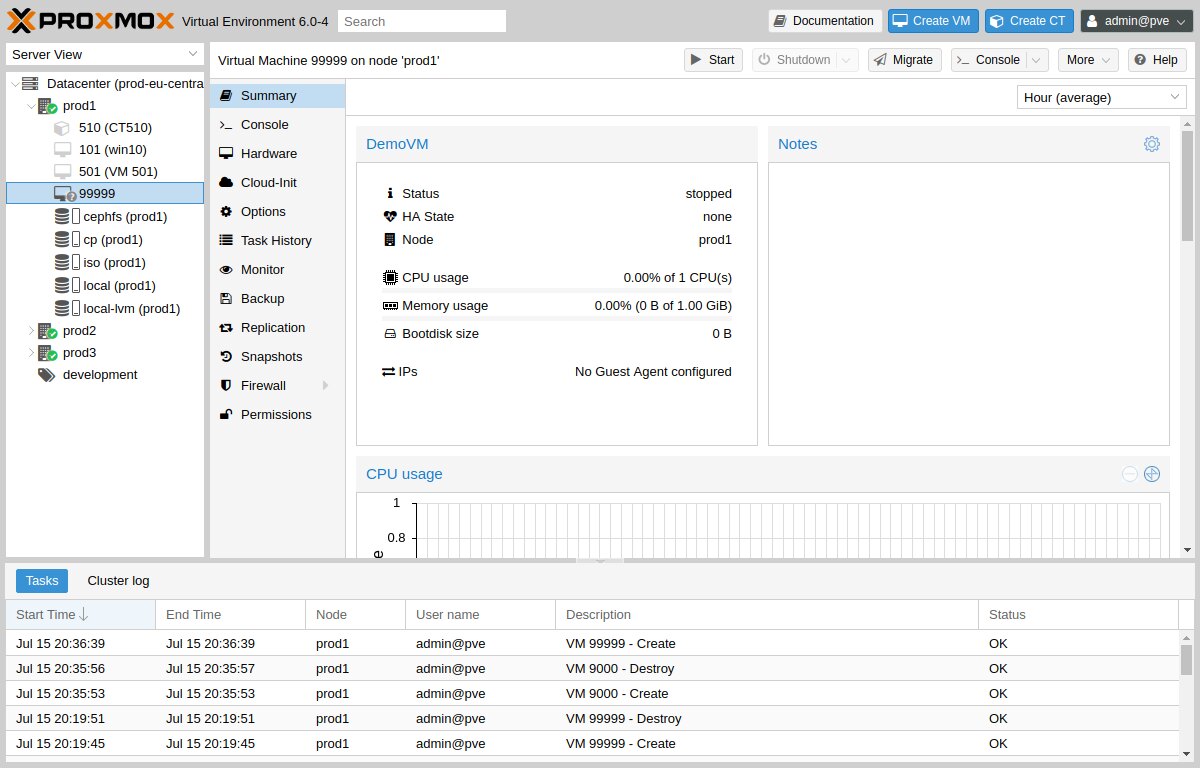
Disk and snapshot are a dataset too
On Proxmox and in the cloud a volume has encryption, a snapshot policy, and who may clone a disk. A VM template does not carry secrets. Test data is masked or synthetic.
Encryption
At rest and in transit. KMS or HSM, rotation, separation of who uses and who administers the key.
Snapshot
Who may make a clone and where it lands. A snapshot is a copy, it falls under the same class.
Environments
Production does not feed staging with a full dataset without need and without masking.
Deletion
Retention and the right to erasure have a procedure on backup, not only in the application.
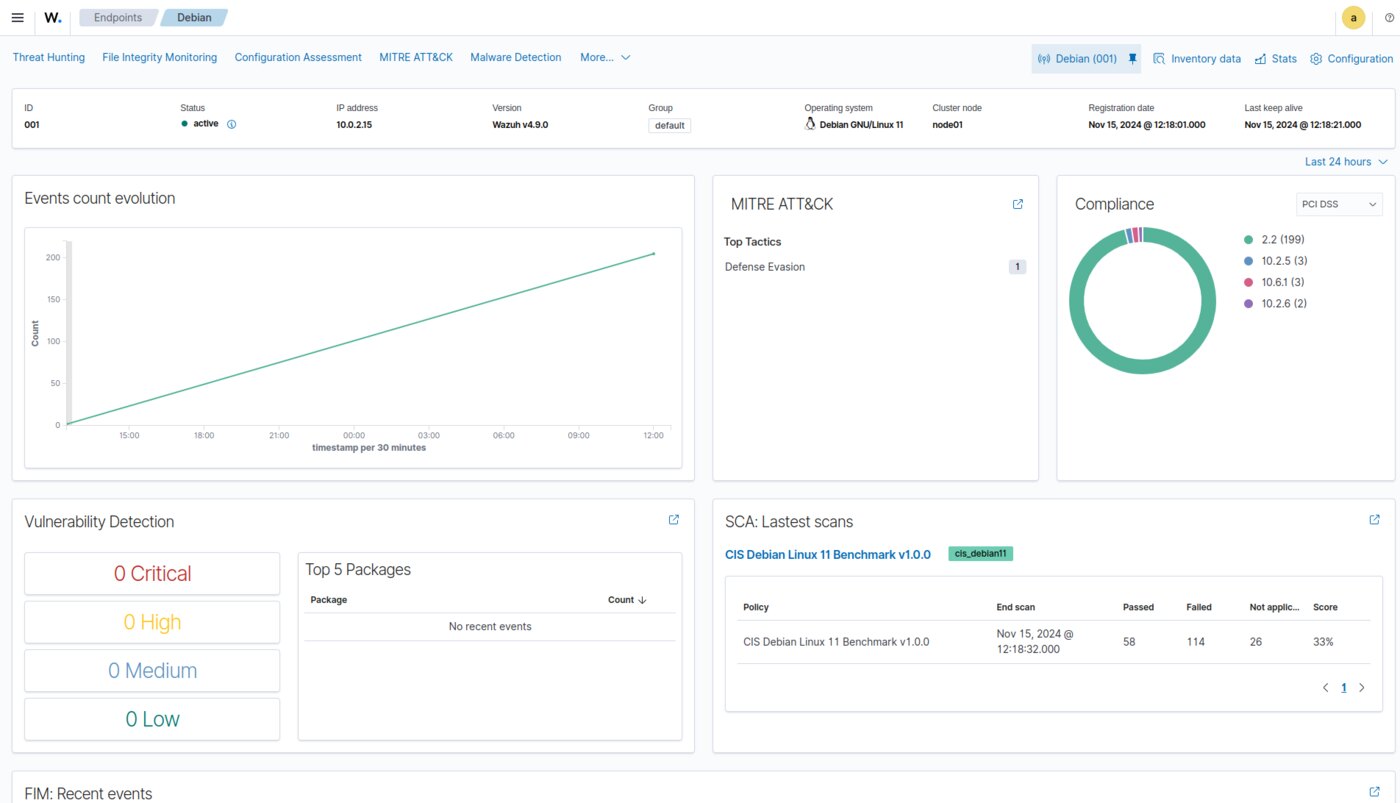
Who read a dataset, whether a file changed
FIM on data paths, access logs to the database and object storage, an alert on bulk download. This does not replace DLP on office endpoints, but it closes the server and the application.
FIM
Data directories, configuration, and keys. A change outside the window has priority.
Access
Login log, grant in the database, AssumeRole. An unusual hour and a new ASN go to on-call.
Exfiltration
Volume on egress, unusual destination. Correlation with traffic analysis where it is deployed.
Audit trail
Log retention for audit and a data subject request. Who saw the alert, what was done.
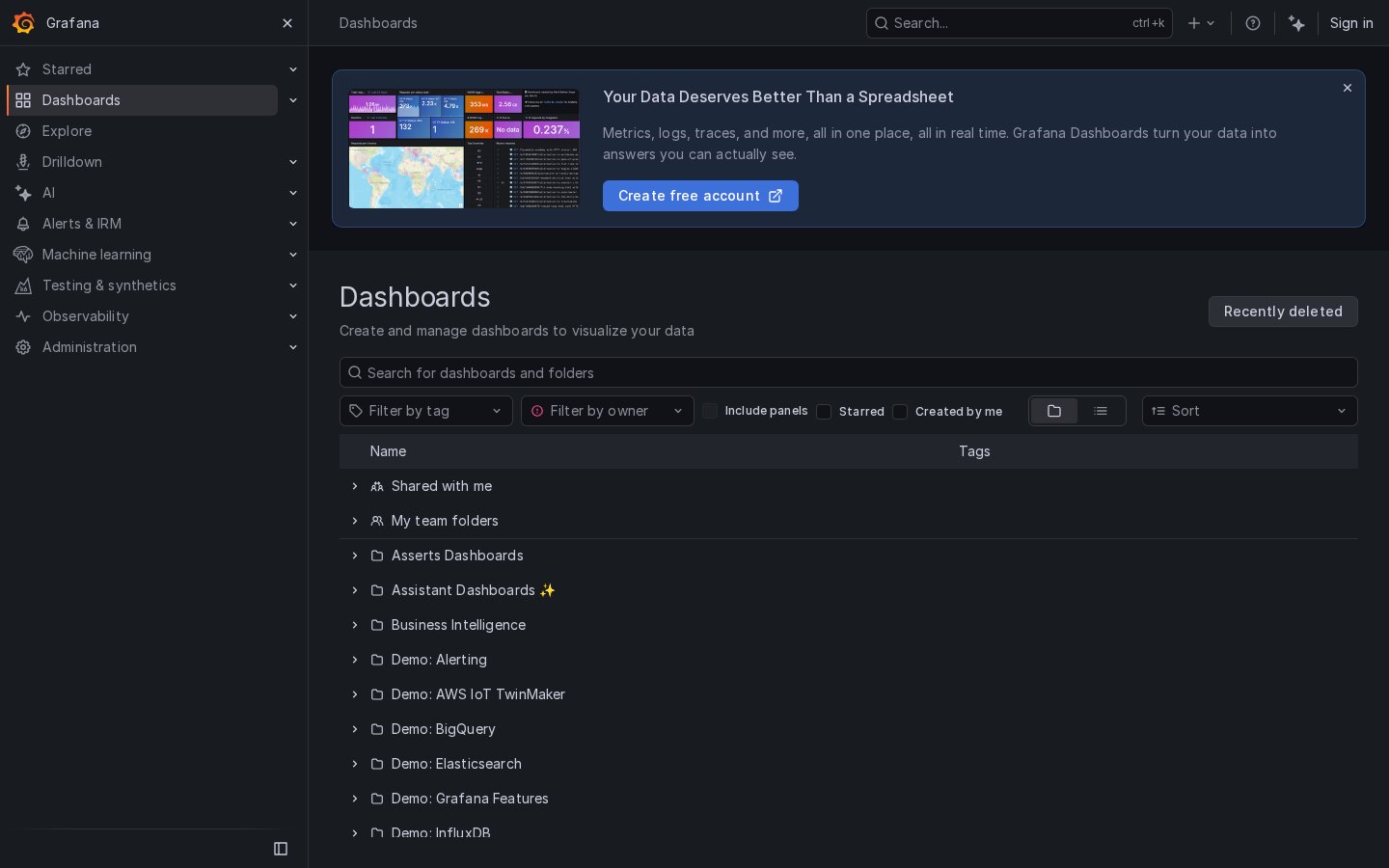
Backup, key, and retention have a chart
A failed copy job, a KMS error, an approaching certificate, rising egress. A dashboard for operations and material for the DPO, without a separate spreadsheet kept from memory.
Backup
Success, time, volume, age of the last successful restore.
Keys
KMS use, decrypt error, attempt from an unknown account.
GDPR
Retention, deletion queue, request fulfillment time, written as a process metric.
People
DPO and engineering look at the same copy and access status, in a different language of description.
Operations
From dataset inventory to restore rhythm
First a map of data and keys. Then copy paths and FIM. Finally GDPR requests and review.
- Inventory Datasets, classes, locations, who has the key, which RPO.
- Protection Encryption, KMS, staging masking, clone restriction.
- Copies Two paths, immutability, a first successful restore.
- Rhythm FIM, requests, retention, a report for the DPO.
Talk
We will discuss datasets, keys, and restore
On that basis we will prepare a scope of data protection and copies.
Contact us